
4 Ways Concrete Can Improve Your Home
Concrete has transformed from a basic building material into a versatile solution for home improvement projects, offering both aesthetic and practical benefits. While it's commonly found in industrial or commercial settings, homeowners are increasingly incorporating concrete construction into their houses due to its durability and design possibilities. Whether inside or out, concrete can upgrade spaces in unexpected ways, making it a cornerstone material in both new constructions and renovations.
From chic interior applications to enhancing outdoor living areas, the options are plentiful. This growing preference is reflected in building trends, as, according to the National Association of Home Builders, 30% of homes built in the U.S. in new residential construction utilize masonry as a primary material, particularly for foundations and walls, reinforcing the role concrete plays in modern residential design.
1. Enhancing Curb Appeal
A. Modern Driveway Designs
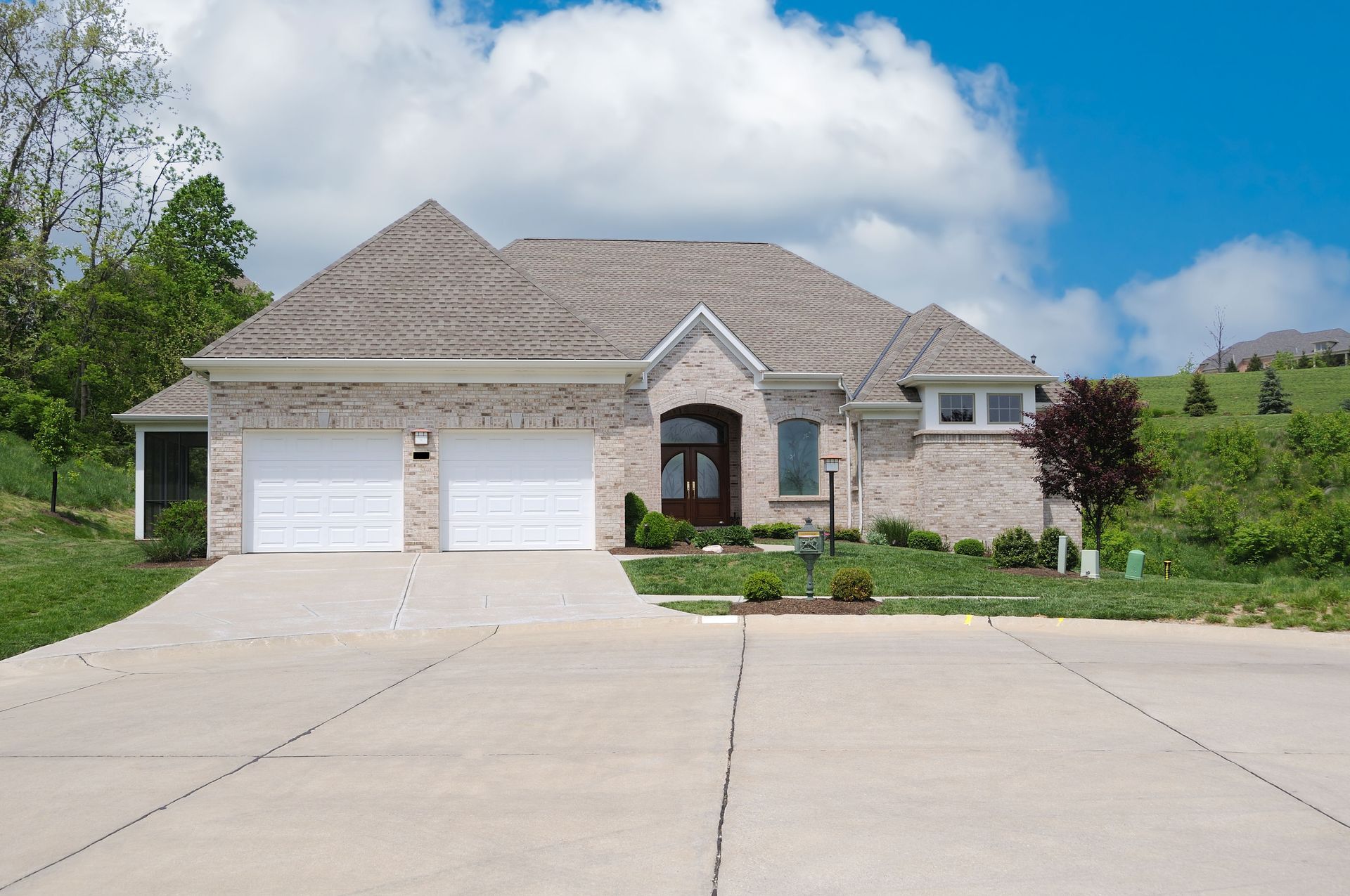
The driveway is often the first aspect of a home that visitors notice, serving as the entryway to the house's character. Modern concrete driveway designs showcase how concrete construction blends visual appeal with long-term performance. Homeowners are moving toward sleek finishes and patterns that resemble stone or tiles but require less maintenance. Concrete construction allows for the incorporation of curves and unique layouts, providing an upscale appearance with practical functionality. Surface treatments and additives also improve traction and durability, especially in regions with changing weather conditions.
B. Elegant Walkways
Concrete walkways serve not just a functional purpose, but also contribute significantly to the home's aesthetic appeal. Through thoughtful concrete construction techniques, these paths become design features rather than afterthoughts. By using stamping or coloring methods, homeowners can create walkways that complement surrounding landscaping. The durability of concrete construction keeps walkways stable over time, resisting erosion and shifting far better than many alternative materials.
C. Artistic Stamping Techniques
Artistic stamping allows concrete construction to replicate the appearance of higher-end materials like stone, slate, or brick. This method transforms plain surfaces into visually striking elements without the cost of natural materials. Stamped concrete construction offers flexibility in pattern and color selection, helping homeowners achieve a custom look. Each installation becomes a unique design feature that balances creativity with practicality.
D. Colorful Stained Concrete
Staining adds depth and color to concrete surfaces, elevating both interior and exterior applications. Within concrete construction projects, stains penetrate the surface to produce long-lasting hues that resist fading. This approach provides an affordable way to refresh existing surfaces without full replacement. Stained concrete construction offers a durable decorative solution that holds up well under daily use.
E. Low-Maintenance Advantages
One of the most appealing aspects of concrete construction is its low-maintenance nature. Unlike materials that require frequent repairs or refinishing, concrete needs minimal upkeep to remain visually appealing. Occasional cleaning and sealing are typically enough to preserve its condition. This efficiency makes concrete construction an attractive choice for homeowners focused on long-term value.
2. Elevating Interior Spaces
A. Sleek Concrete Floors
Concrete flooring has become a staple in modern interior design due to its clean appearance and resilience. Through advanced concrete construction methods, floors can be polished, stained, or textured to match a wide range of styles. These surfaces handle daily wear with ease while remaining simple to clean. Concrete construction also supports radiant heating systems, adding functional comfort beneath the surface.
B. Innovative Countertops
Concrete countertops stand out for their custom appearance and adaptability. In concrete construction, countertops can be molded into nearly any shape and enhanced with decorative elements like glass or stone. This flexibility supports cohesive kitchen and bathroom designs. Beyond aesthetics, concrete construction delivers durable work surfaces that resist heat and everyday wear.
C. Rustic Concrete Walls
Concrete walls introduce texture and depth into interior spaces while offering a modern or industrial feel. Through controlled concrete construction techniques, walls can appear smooth, raw, or softly textured. These surfaces also contribute to sound dampening and insulation. Concrete construction transforms walls from structural necessities into design statements.
D. Modern Fireplace Designs
Concrete fireplaces provide a contemporary alternative to traditional materials. Concrete construction allows designers to shape fireplaces into bold focal points or minimalist features. The material withstands high temperatures while maintaining visual appeal. As open-concept living grows in popularity, concrete construction supports seamless transitions between shared spaces.
E. Versatile Concrete Furniture
Furniture crafted through concrete construction offers durability paired with artistic design. Tables, benches, and shelving made from concrete bring industrial character into living spaces. These pieces often blend concrete with wood or metal for balanced contrast. Concrete construction supports furniture designs built for longevity and everyday use.
3. Improving Energy Efficiency
A. Insulating Concrete Forms (ICFs)
Insulating Concrete Forms are widely used in energy-efficient concrete construction. These systems combine structural strength with built-in insulation, improving temperature regulation year-round. Homes built using ICF-based concrete construction often experience lower heating and cooling demands. This approach aligns with long-term energy-conscious building strategies.
B. Thermal Mass Benefits
Concrete construction supports thermal mass properties that stabilize indoor temperatures. Concrete absorbs heat during the day and releases it gradually as temperatures drop. This reduces reliance on mechanical heating and cooling systems. Thermal mass plays a key role in energy-conscious concrete construction.
C. Radiant Heating Solutions
Radiant heating systems integrate effectively with concrete floors. In concrete construction, heating elements embedded beneath slabs distribute warmth evenly. Concrete retains heat longer than many flooring materials, enhancing efficiency. This pairing improves comfort while lowering energy demands.
D. Passive Solar Cooling
Concrete construction contributes to passive cooling strategies by moderating indoor temperatures. Lighter finishes reflect sunlight, reducing heat absorption. The mass of concrete construction helps limit temperature swings throughout the day. These characteristics support sustainable residential design.
E. Sustainable Building Practices
Longevity is a defining feature of concrete construction, supporting sustainable building goals across residential projects. Concrete structures typically last longer than many alternatives, reducing material waste over time and limiting the need for frequent repairs. This durability helps explain why masonry remains widely used, as the National Association of Home Builders notes that 30% of homes built in the U.S. in new residential construction utilize masonry as a primary material, particularly for foundations and walls. Recycled components can also be incorporated into concrete mixes, and ongoing innovations continue to reduce the environmental footprint of concrete construction.
4. Boosting Outdoor Living Spaces
A. Durable Patios
Concrete patios create durable foundations for outdoor living areas. Through customized concrete construction techniques, patios can resemble stone or brick while remaining easy to maintain. Concrete resists cracking and erosion better than many outdoor materials. This reliability makes concrete construction ideal for high-use spaces.
B. Creative Outdoor Kitchens
Outdoor kitchens benefit from the strength and adaptability of concrete construction. Concrete countertops and bases withstand exposure to heat and moisture. Custom shaping allows appliances and seating to integrate smoothly. Concrete construction supports functional outdoor entertaining areas.
C. Stylish Pool Decks
Concrete pool decks combine safety and style through slip-resistant finishes. Concrete construction accommodates water exposure and temperature changes without compromising durability. Decorative options enhance visual appeal while supporting everyday use. These qualities make concrete construction well suited for pool environments.
D. Functional Garden Pathways
Garden pathways built with concrete provide year-round accessibility. Concrete construction allows paths to follow organic layouts while maintaining structural integrity. Finishes and colors help integrate pathways into landscape designs. Durability remains a key advantage of concrete construction outdoors.
E. All-Weather Seating Areas
Concrete seating offers long-lasting outdoor comfort. Through thoughtful concrete construction, benches and seating walls blend into patios and landscapes. These installations require minimal upkeep while standing up to the elements. Concrete construction supports functional outdoor gathering spaces.
Concrete offers unmatched adaptability, durability, and performance across nearly every area of the home. From improving curb appeal and enhancing interior spaces to supporting energy efficiency and long-term structural strength, concrete construction continues to redefine modern residential design. Its ability to balance function with creative expression makes it a valuable option for both renovations and new builds. As homeowners look for materials that support longevity, efficiency, and customization, concrete construction remains a reliable and forward-thinking choice. Contact Alvarado Construction LLC today for more.
Share On: